
America needs next-gen solutions to counter modern air and missile threats
Defending a country the size of the US from threats requires advanced sensing, communications and interception capabilities.

Defending a country the size of the US from threats requires advanced sensing, communications and interception capabilities.

Todd Harrison of the American Enterprise Institute explains in this op-ed why now is the right time to move the ICBM enterprise from the Air Force to the Army.

As threats continue to evolve, speed will increasingly depend on what is already available when the need emerges.


The Air Force’s Sentinel missile’s capabilities are being proven digitally to accelerate design and reduce costs.
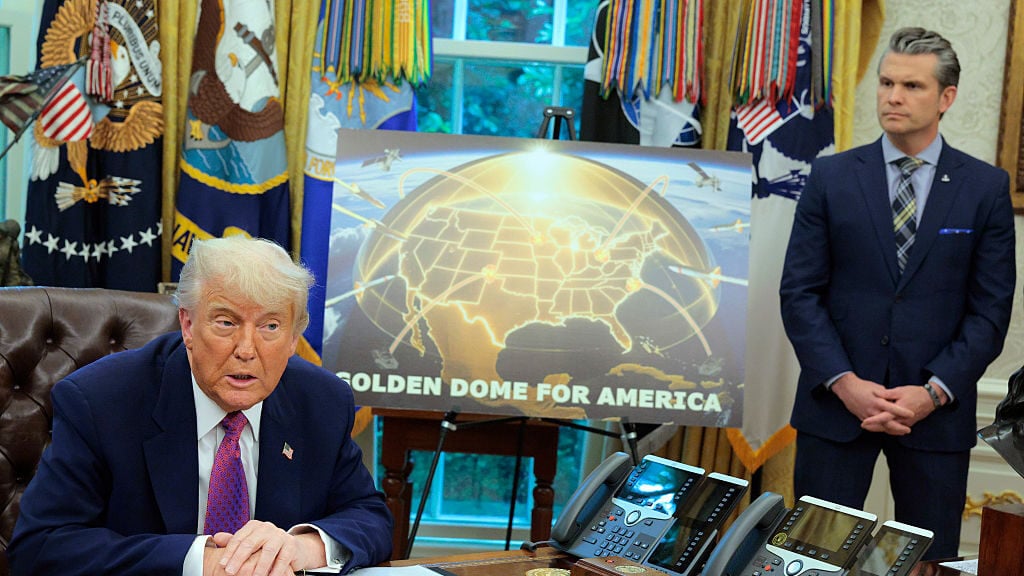
President Donald Trump said the project to develop a missile defense shield should be "fully operational" before the end of his term, and claimed Canada has asked to join the project.
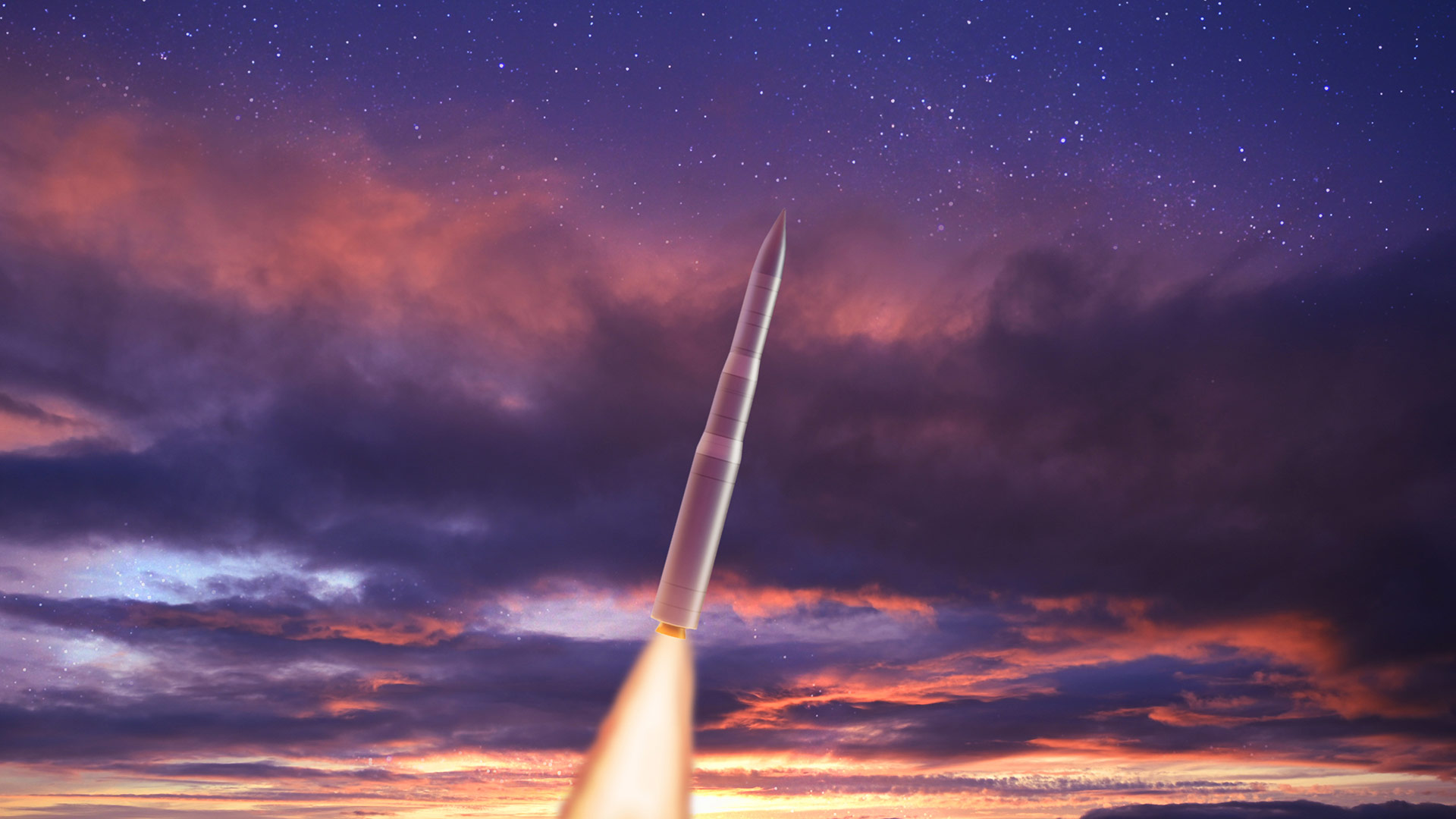
“I think there are elements of the ground infrastructure where there may be opportunities for competition that we can add to the acquisition strategy for Sentinel," said Andrew Hunter, the Air Force's top acquisition official.
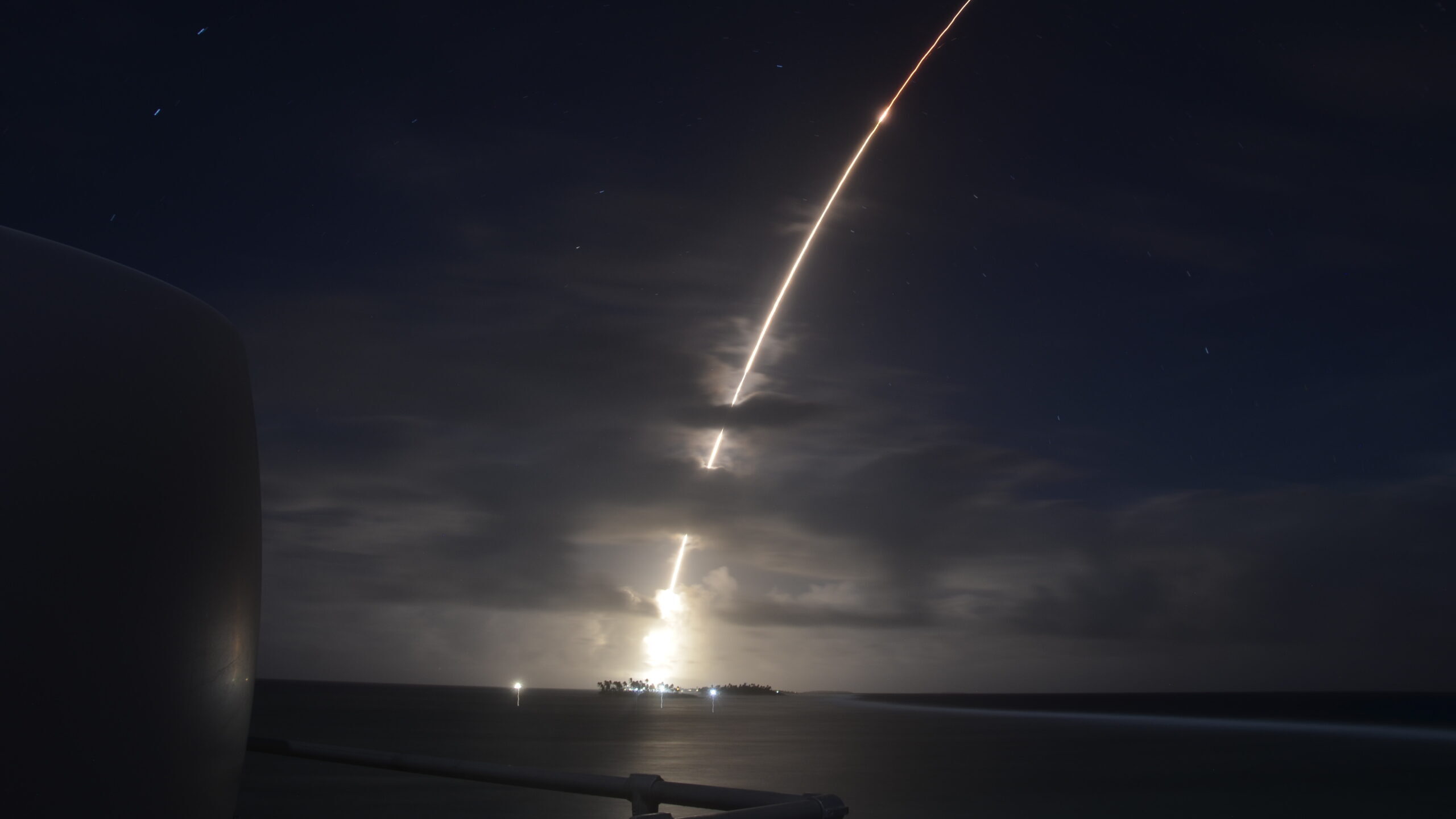
Three former senior NORAD officials argue in this op-ed that the homeland defense must be treated like theater defense, prepared for multi-tiered attack.

One commander, many robots: Fully autonomous ground vehicles are reshaping the battlefield.

The new reentry vehicle will be mounted on the Sentinel intercontinental ballistic missile, with the goal of awarding a contract in fiscal 2026.
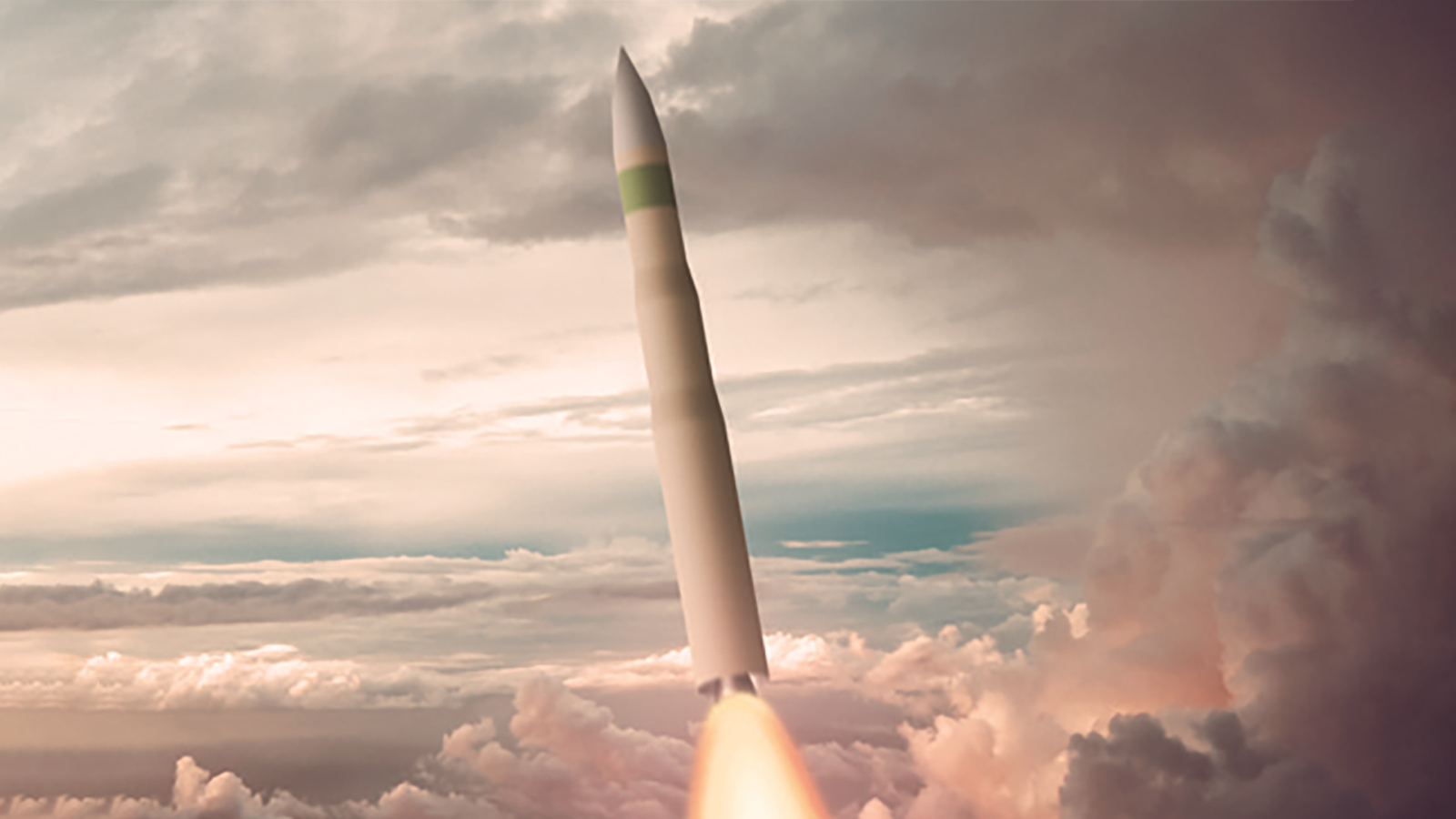
The new ICBM and B-21 bomber will be a “stabilizing force” for strategic deterrence that is born digital to meet evolving threats.


BAE Systems delivers efficient decision-making capability through effective product lifecycle management and digital engineering approaches.

"We've entered into the next big phase, what we call 'CDR season,'" Greg Manuel, vice president and general manager of Northrop Grumman's Strategic Deterrent Systems division, told Breaking Defense.

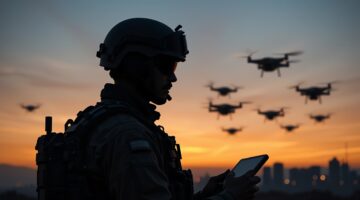
Decentralized Embodied Collaborative intelligence enables better reconnaissance, logistics and combat capabilities.
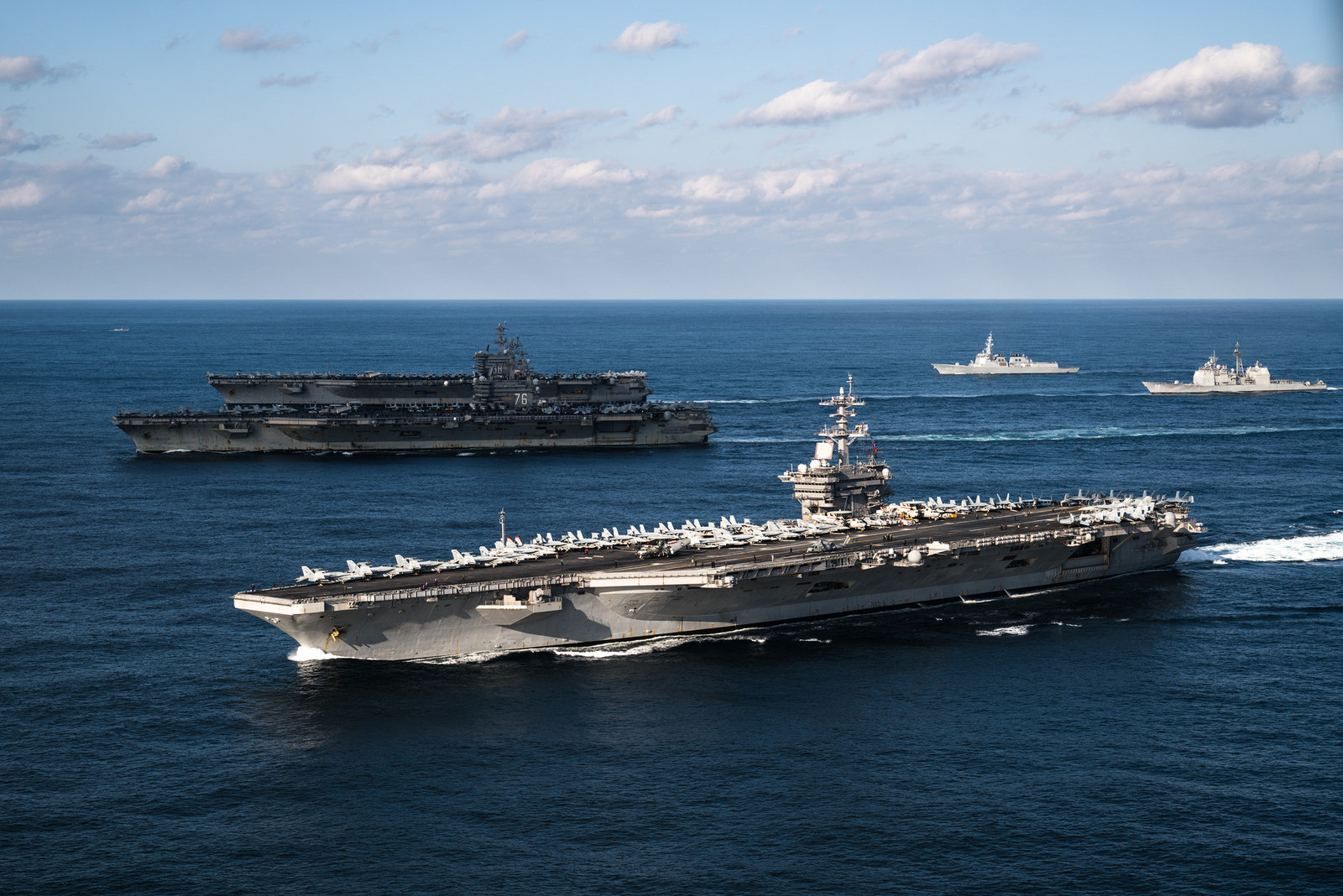
"If we get into a conflict with China, this is not going to be like a World War II conflict where we have massive elements of the industrial base that can quickly convert to manufacturing the necessities for war...that's just not going to happen," Rep. Rob Wittman says.

WASHINGTON: The Democrats’ recapturing the House means three major impacts on the Defense Department: The odds are that controversial Trump priorities like new nuclear weapons and a Space Force will go nowhere, defense budgets will go down, and oversight will go up, up, up. Program winners and losers The most likely losers are nuclear modernization […]

"Things are moving (in) a positive direction," Gen. Hyten said of North Korean, while Russia's new 2-megaton underwater drone "does not change" the strategic balance.